
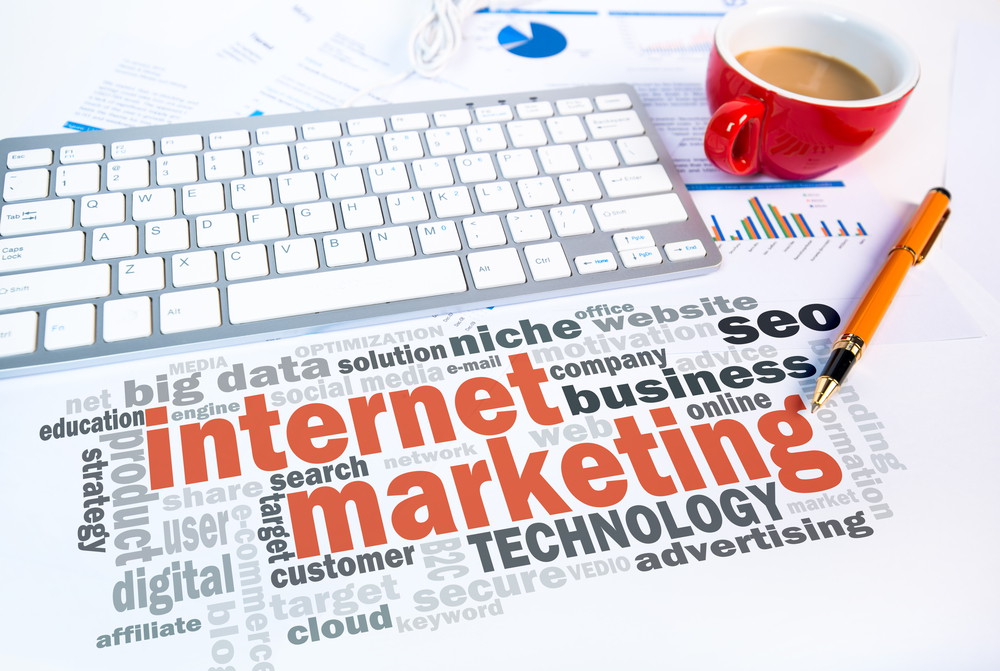
What is Internet Marketing?
The process of using web-based channels to distribute a message about a company’s brand, products, or services to potential consumers is known as online marketing. Email, social media, display advertising, search engine optimization (SEO), Google AdWords, and other tools and strategies are utilized in online marketing. The goal of marketing is to reach out to potential clients through the channels where people read, search, shop, and socialize on the internet.
Due to the coming of Internet Marketing platforms, the cost of promoting products or services was sometimes excessively expensive and impossible to assess. Consider national television commercial campaigns, which are evaluated by consumer focus groups to gauge brand recognition. Traditionally, these procedures have not been well adapted to controlled experiments. Anyone with an internet business (as well as most offline firms) may now engage in Online Marketing for little or no money by constructing a website and developing client acquisition campaigns. These marketing tools and services may also experiment with optimization to fine-tune the efficiency and ROI of their campaigns.
The widespread use of the internet for both corporate and personal purposes has resulted in the creation of new advertising and marketing channels, such as those described above. Online marketing, which largely employs digital channels to attract, engage, and convert virtual visitors to consumers, has a number of advantages and disadvantages.
Traditional marketing, which has traditionally included print, billboard, television, and radio commercials, varies from online marketing.
Benefits of internet marketing
The popularity and relevance of online marketing are expanding. Changes in the demographics of the professional services sector are leading to the adoption of new techniques for developing reputations, networking, and generating leads, as we investigated in our book, Online Marketing for Professional Services.
The ability to quantify the impact of each channel, as well as how visitors gained through multiple channels engage with a website or landing page experience, is a fundamental benefit of leveraging online channels for marketing a business or product. Further research on the visitors who become paying customers may be done to understand which channels are most effective in acquiring valued clients.
Analytics for web or mobile app experiences can help determine the following:
- Based on the conversion rate of visitors to customers and the cost of those visitors, which internet marketing methods are the most cost-effective at gaining consumers?
- Which channels are most efficient in acquiring and increasing customer lifetime value, such as email marketing, which encourages previous customers to make repeat purchases?
- Which customer groups show high levels of engagement and have a high possibility for upsells, such as software or mobile apps, which intend to sell more items to high-engagement customers?
Internet marketing tools
There are a number of tools that can be used to build and maintain a robust online marketing program:
- Content marketing
- Video marketing
- Marketing analytics like Google Analytics
- Marketing automation
- Customer relationship management (CRM)
- Content management system (CMS)
- Pay-per-click (PPC) advertising like Google Ads
- Affiliate marketing
- Email marketing
- Social media marketing
- Search engine optimization (SEO)
- Display advertising like LinkedIn ads or Google Display Network
- Search engine marketing (SEM)
- Online events & webinars
- A/B testing & website optimization
Examples Internet marketing
Some examples of online marketing campaigns include:
- To sell its cameras to a relevant audience and generate visitors to a certain webpage, Canon ads for search terms linked to “photography” on Google, Yahoo, and Bing search engines.
- Whole Foods gathers email addresses on their website in order to build email lists that may be used to promote new goods, specials, and events at their locations.
- Dove makes video advertisements and distributes them to their target audience via Facebook, Twitter, and other social media platforms in order to generate positive buzz about their brand and goods.
- Bite Beauty collaborates with influencers to advertise a new lipstick to their target market of high-end beauty fans.
Although online marketing provides numerous chances for organizations to expand their online presence and increase their audiences, it also comes with its own set of obstacles. Due to the virtual nature of message and content distribution to a particular audience, marketing can become impersonal. Marketers should base their internet marketing approach on a thorough grasp of their customers’ demands and preferences. Surveys, user testing, and in-person chats may all be utilized to gain a better understanding of the entire user experience.
On the other hand, online marketing may be busy and competitive. Although having the ability to sell goods and services in both local and global marketplaces is powerful, competition may be fierce. Due to the large number of businesses offering their products and services online, companies engaging in internet marketing may find it challenging to catch visitors’ attention. As they test and construct marketing campaigns across numerous platforms, marketers must strike a balance between creating a unique value proposition (UVP) and developing a brand voice.


